
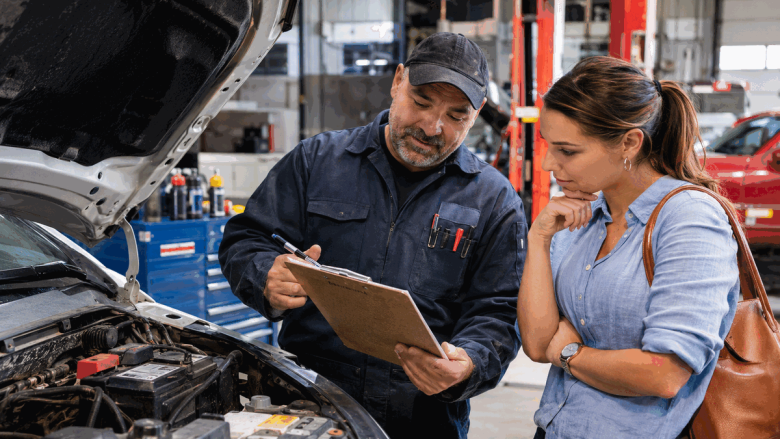
 For a self-employed tradesperson, delivery operator, or mobile service provider, a work van can be the equipment that makes earning income possible. Finding an affordable used vehicle may feel like a major step toward independence, but the purchase price represents only part of the commitment. Someone researching loans for essential business transportation should calculate inspection costs, insurance, initial maintenance, registration, and the vehicle’s expected operating expenses before making an offer. A van that fits the purchasing budget but cannot be operated affordably may become a burden before its first customer appointment.
Begin with the work the vehicle must perform
Different businesses require different types of transportation.
A residential cleaning service may need room for supplies and equipment. An electrical contractor could require organized storage for tools and materials, while a delivery business may need particular cargo dimensions and frequent-access doors.
Write down the vehicle’s minimum practical requirements.
Consider payload limits, seating, cargo security, fuel consumption, accessibility, and whether specialized shelving or restraints will be required.
Buying the largest available van is not automatically the best strategy. Additional capacity can bring higher operating and maintenance costs without generating additional revenue.
Choose a vehicle suited to the work that is realistically expected.
Make an independent inspection part of the purchase
A used vehicle can appear clean and dependable during a short test drive while hiding mechanical problems.
Arrange an inspection by a qualified independent mechanic before completing the purchase whenever possible.
The inspection should consider major mechanical systems, fluid leaks, brakes, tires, suspension, visible corrosion, and other safety-related conditions.
Ask for a written report explaining which repairs require immediate attention and which maintenance items may become necessary in the coming months.
A seller’s assurance that the vehicle was recently serviced is useful background information, but it does not replace an independent assessment.
The inspection cost may help prevent a much larger unexpected expenditure.
Calculate the actual cost of getting on the road
Beyond the advertised vehicle price, account for applicable taxes, registration, licensing, insurance, and any required inspections.
Some vehicles may need tires, brakes, fluids, or routine service soon after purchase.
Commercial use can affect insurance requirements, so obtain an appropriate insurance quote before committing.
Equipment such as shelving, protective barriers, roof racks, branding, and security locks may also be necessary.
Separate mandatory setup costs from optional business improvements. A professionally wrapped vehicle may look attractive, but dependable transportation and safe equipment storage should take priority.
Estimate business income conservatively
A vehicle creates opportunities to accept work, but purchasing it does not guarantee customers.
Review the number of bookings already confirmed and the revenue that can reasonably be expected after fuel, supplies, insurance, and operating costs.
If the business is new, distinguish genuine customer commitments from inquiries or potential contracts.
Estimate how the vehicle payment would affect a slow month.
A realistic plan should allow for seasonal changes, customer cancellations, and unexpected maintenance without requiring every week to be exceptionally profitable.
Avoid using projected revenue as though it were already available in the bank account.
Compare financing with available alternatives
Financing a work vehicle may involve a personal loan, business financing, dealer-arranged credit, or another suitable arrangement, depending on eligibility and circumstances.
Compare the total amount repayable, financing fees, term length, and any restrictions or security requirements.
Ask whether paying off the agreement early changes the cost.
A lower monthly payment may come with a longer obligation, leaving the borrower paying for a vehicle that has already required substantial repairs.
For some businesses, renting or using existing transportation temporarily may provide a more flexible option while demand is established.
Plan for the first year of ownership
Once the vehicle is purchased, begin keeping maintenance records and tracking expenses.
Set aside money regularly for routine servicing, tire replacement, inspections, and repairs.
Review fuel consumption and travel time to understand whether individual jobs remain profitable.
Protect valuable equipment during transport and avoid overloading the vehicle.
A well-selected work van can support business growth, but the financial decision should rest on verified condition, practical operating costs, and realistic demand.
The strongest purchase is not necessarily the cheapest van available. It is the vehicle that can reliably perform the work while leaving enough financial flexibility to keep the business operating.